

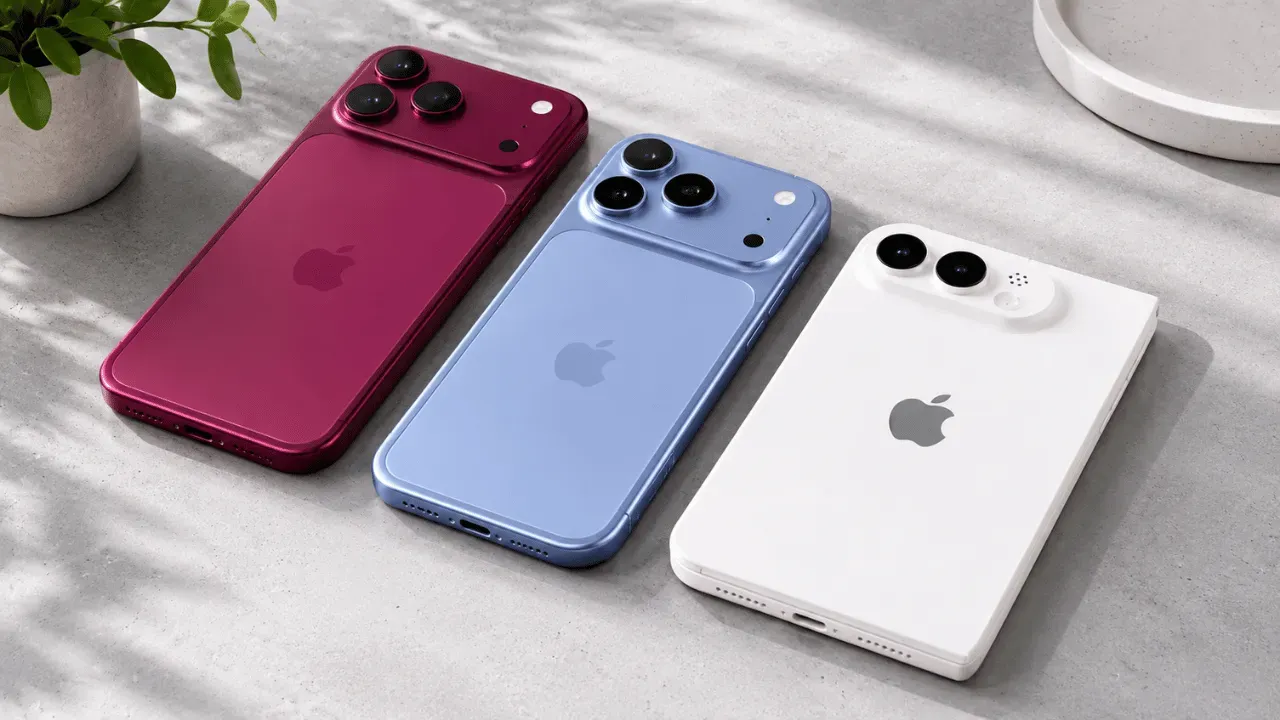
If you live in Nairobi and love your gadgets, you’ve probably already heard the buzz. Apple’s iPhone 18 Pro is here, and it landed with a lot of noise. It was officially unveiled on September 9, 2026, with sales kicking off on September 18. Kenyan retailers wasted no time listing it, and if you’ve walked through River Road, Sasa Mall, or browsed online stores like iTey Store or Phone Place Kenya, you’ve seen the price tags already sparking conversation.
So what makes this phone worth talking about? Let’s break it down.
A Phone That Looks Familiar, But Feels Different
At first glance, the iPhone 18 Pro doesn’t look like a dramatic redesign. Apple kept the same screen sizes as before: 6.3 inches for the standard Pro and 6.9 inches for the Pro Max. If you were expecting a totally new shape or a wild new look, that’s not really what happened here.
But Apple made some smart, subtle changes that long-time iPhone users will notice right away. The Dynamic Island, that little pill-shaped cutout at the top of the screen, is now about 35% smaller. It sounds small, but it makes the screen feel more open and modern. The back of the phone also has a more “unified” look, meaning the camera area blends better with the rest of the design instead of standing out awkwardly.
And then there’s the color. Apple introduced a bold new shade called Burgundy, a deep red that replaces last year’s orange. It’s elegant, a little daring, and already one of the most talked-about colors in Nairobi’s phone shops.
The Camera Upgrade Everyone’s Talking About
If there’s one thing that makes the iPhone 18 Pro stand out, it’s the camera. Apple didn’t just tweak the camera a little; this is being described as one of the biggest camera hardware changes in the iPhone’s history.
The headline feature is something called a variable aperture. In simple terms, this means the camera can automatically adjust how much light it lets in, almost like how your eye’s pupil changes size in bright or dark rooms. This gives photographers (even casual ones) much better control over how sharp or blurry the background looks in a photo, and better shots in tricky lighting. For someone taking photos at a wedding in Nairobi at sunset, or shooting content for Instagram and TikTok, this is a genuinely useful upgrade, not just a marketing gimmick.
The telephoto lens also got attention, and Apple’s camera app has new tools built for people who take photography seriously, whether that’s content creators, small business owners showcasing products, or just someone who wants their holiday photos to look like they came from a professional.
Power Under the Hood
Every new iPhone brings a faster chip, and the 18 Pro is no different. It runs on the new A20 Pro chip, which Apple says brings better performance and smarter handling of Apple Intelligence features (Apple’s version of AI tools built into the phone). With 12GB of RAM, the phone is built to handle demanding apps, multitasking, and AI-powered features without slowing down.
One quieter but important change is the modem. Apple is moving away from using Qualcomm’s modems and instead using its own chip, called the C2. This is expected to improve speed and battery efficiency, and it even brings 5G via satellite, meaning you could potentially send messages or browse in areas without normal network coverage. For Kenya, where network coverage can be patchy in some areas outside major towns, this kind of feature could genuinely matter down the line, even if it takes time for local carriers to fully support it.
Battery and Build Quality
Apple also increased battery capacity, especially on the Pro Max model, which reportedly got close to a 10% larger battery than its predecessor. That’s good news for anyone who’s tired of charging their phone twice a day.
On the durability side, the phone still has an aluminum frame, Ceramic Shield 2 protection on the front, and IP68 water and dust resistance. That means it can survive a splash of water, a sudden downpour while you’re walking in town, or an accidental drop better than many phones on the market.
What It Costs in Kenya
Here’s the part most people care about the most: the price.
In the United States, the iPhone 18 Pro starts at $1,199 for the 256GB model, while the Pro Max starts at $1,299. Once you convert that and factor in import costs, taxes, and local business margins, Kenyan retailers are listing the phone anywhere between roughly KSh 169,999 and KSh 279,000, depending on the storage size and where you buy it.
Retailers like iTey Store and Mobile Hub in Nairobi have listed the 256GB Pro Model starting around KSh 170,000 to KSh 220,000, while bigger storage options like 512GB and 1TB understandably cost more. Some people have even looked into importing the phone directly from the US to save money, and depending on shipping and clearance costs, it can work out slightly cheaper, though it comes with more risk and less convenience than buying locally with a warranty.
If you’re planning to buy one, it’s worth shopping around a few different stores in Nairobi before committing, since prices can vary quite a bit between retailers for the exact same model.
Should You Upgrade?
This is the real question many Kenyans are asking. If you already own an iPhone 17 Pro, the upgrade might not be urgent unless the camera features specifically matter to you, for professional photography, content creation, or just because you love having the newest tech.
But if you’re coming from an older iPhone, like an iPhone 13, 14, or even an Android phone and you’re ready for a serious upgrade, the iPhone 18 Pro brings a stronger camera, better battery life, a faster chip, and improved durability, all wrapped in Apple’s usual premium build quality.
Conclusion
The iPhone 18 Pro isn’t a complete reinvention of the iPhone, but it’s a thoughtful, well-rounded upgrade. Apple focused on the things that genuinely matter to everyday users: better photos, longer battery life, smarter performance, and a sleeker design. For Nairobi residents who take pride in good photography, reliable performance, and owning a premium device, this phone checks a lot of boxes.
Of course, the price remains a serious factor. For many Kenyans, spending over KSh 200,000 on a phone is a major decision, not a casual purchase. So before you walk into a shop or place an order online, it’s worth comparing prices across different retailers, checking warranty terms, and deciding whether the upgrades truly fit your needs and budget.
Either way, one thing is clear: the iPhone 18 Pro has already made its mark in Nairobi’s tech scene, and it’s set to be one of the most talked-about phones of the year.