

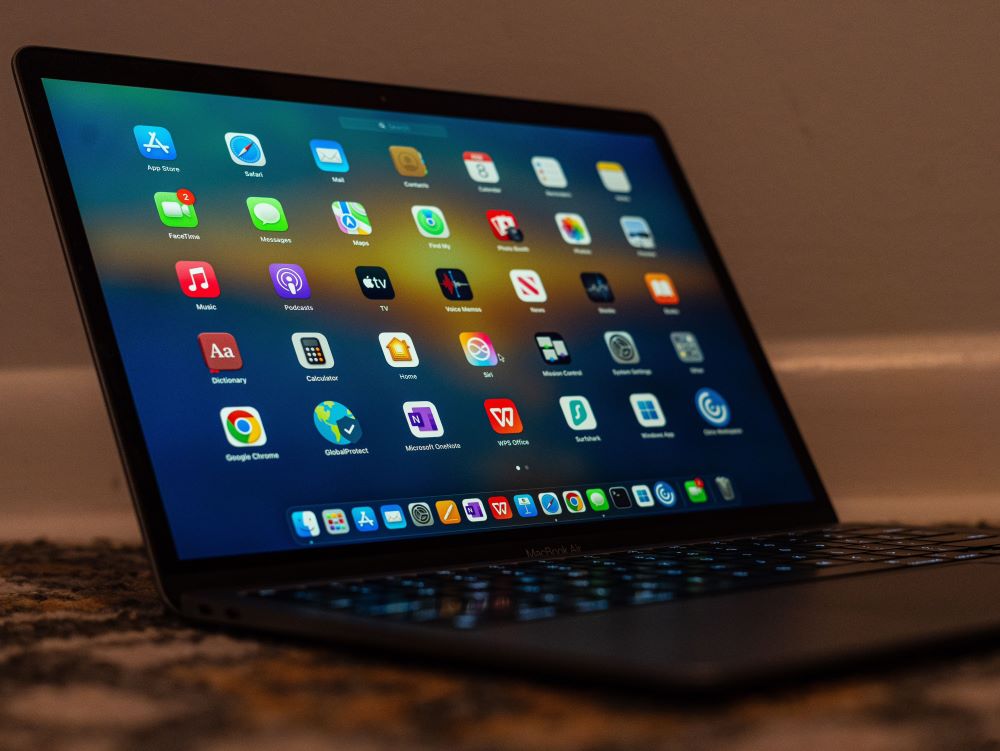
Walk into any coffee shop, airport lounge, or university library and count the silver laptops. Then count the white earbuds poking out of ears. Chances are, a good chunk of them carry the word “Air” somewhere in their name.
That’s not an accident. Apple has spent more than a decade building a family of products around one simple idea: technology should feel light, easy, and out of your way. The MacBook Air, iPad Air, and AirPods all follow that idea in different ways, and together they’ve become some of the most recognizable gadgets on the planet.
So what is it about these devices that people love? Let’s break it down.
The Name Is a Promise
“Air” is a small word, but it sets a big expectation. It tells you the product won’t weigh you down, won’t demand a manual, and won’t make you feel like you need an engineering degree to use it.
Most of us don’t want to think about our devices. We want to open them, do what we came to do, and get on with our day. Apple’s Air line is built for that kind of person: the student writing an essay at midnight, the freelancer answering emails from a train, the parent sneaking in a podcast during a school run.
The products aren’t trying to be the most powerful or the most customizable on the market. They’re trying to be the ones you actually enjoy carrying and using every single day.
MacBook Air: The Laptop Most People Actually Need
When the original MacBook Air was famously pulled out of a manila envelope on stage back in 2008, it felt almost like a magic trick. A real laptop, that thin? People weren’t sure whether to be amazed or skeptical.
Today, the MacBook Air is the default recommendation for a huge number of buyers, and the reasons are pretty practical.
- It’s light enough to forget about. If you’ve ever hauled a heavy laptop across campus or through a busy airport, you know how much those extra pounds add up. The Air slips into a bag without a fuss.
- Battery life you can trust. Since Apple moved to its own chips, the Air has become impressive at stretching a charge. For many people, that means a full workday without hunting for an outlet. That small freedom changes how you work. You can sit wherever is comfortable instead of wherever the plug is.
- Quiet and cool. Many Air models have no fan at all. There’s no whirring when you open too many browser tabs, which makes it great for libraries, meetings, and late-night work beside a sleeping partner.
- Plenty of power for real life. Most people aren’t editing feature films. They’re browsing, writing, video calling, managing spreadsheets, editing photos, and maybe doing some light creative work. The Air handles all of that smoothly, without making you pay for performance you’ll never touch.
That last point matters. A lot of laptop buyers have been burned by spending more than they needed to. The Air feels like the sensible friend who tells you, “You don’t need the expensive one. This will do everything you want.”
iPad Air: The Middle Child That Makes Sense
Tablets are an interesting category. Some people swear by them, while others wonder what they’re really for. The iPad Air sits in a sweet spot that helps answer that question.
It’s more capable than the basic iPad, but it doesn’t carry the premium price of the Pro. For students taking handwritten notes, artists sketching on the go, or anyone who just likes a bigger, friendlier screen for reading and streaming, it hits a comfortable balance.
Pair it with an Apple Pencil and a keyboard, and it can stand in for a laptop on lighter days. Pair it with nothing at all, and it’s still a lovely way to watch a show in bed or read an article on the couch.
What people tend to appreciate most is flexibility. The iPad Air doesn’t force you into one way of working. It adjusts to your environment, your schedule, and your attitude. That feels modern in a way that’s hard to describe until you’ve lived with one.
AirPods: A Tiny Product With a Giant Habit
Few gadgets have changed daily behavior as quickly as AirPods. Before them, wireless earbuds often meant fiddly pairing, tangled cases, and connection drops at the worst times.
AirPods made all of that disappear. You open the case near your iPhone, a little card pops up, and you’re connected. That moment of “it just works” is probably the most underrated reason for their popularity.
Beyond that first impression, a few things keep people hooked:
- Noise cancellation on supported models that turns a loud commute into something almost peaceful
- Transparency mode that lets you hear your surroundings without taking the earbuds out
- Automatic switching between your Apple devices, so you can move from a phone call to a laptop video without fiddling with settings
- A compact charging case that slips into a pocket and tops the buds up in minutes
For a lot of people, AirPods have become as ordinary as keys or a wallet. You grab them on the way out the door without thinking, and that’s exactly the sort of habit a product dreams of creating.
The Ecosystem Does the Quiet Heavy Lifting
Here’s where Apple’s real strength shows up. Each of these devices is good on its own, but together they feel like they were designed to talk to each other, because they were.
Copy text on your iPhone and paste it on your MacBook. Start an email on your iPad and finish it on your laptop. Answer a call on your Mac through your AirPods. Share a file with someone standing next to you in a couple of taps.
None of these things are flashy, but they remove tiny frustrations that pile up over a day. Once you’re used to that smoothness, switching to a different set of devices can feel like walking through a house where all the light switches have been moved.
Critics call it lock-in, and there’s some truth to that. But from a daily-use point of view, most people just experience it as a convenience. And convenience is a powerful reason to stay loyal.
Design That Doesn’t Shout
Apple’s Air devices have a certain look: clean lines, rounded edges, soft colors, and very little clutter. They don’t scream for attention. They sit quietly on a desk and look like they belong there.
That restraint is part of the appeal. People want devices that fit into their lives and their homes without looking like gaming rigs or lab equipment. The finish feels solid, the screens look sharp, and the build quality gives a sense that the thing will last a few years rather than a few months.
There’s also a social side to it. These products have become a kind of shared language. Seeing someone else with the same laptop or earbuds creates a small sense of belonging, even among strangers.
Value, With a Few Honest Caveats
Let’s be fair. Apple products aren’t cheap, and the Air line isn’t free of trade-offs. Storage upgrades can be pricey, ports on some models are limited, and if you need serious horsepower for heavy video editing or 3D work, you’ll want to look higher up the range.
Still, many buyers see the Air line as the best value in Apple’s catalog. You get most of the polish, performance, and long-term software support without paying the highest prices. For people who plan to keep a device for several years, that longevity makes the upfront cost feel more reasonable.
Resale value helps too. Apple devices tend to hold their worth better than many competitors, which softens the blow when it’s time to upgrade.
So, Why Are They So Popular?
When you step back, the answer is surprisingly simple. Apple’s Air devices succeed because they respect people’s time and attention. They’re light, quiet, dependable, and pleasant to use. They connect with each other without asking for effort. And they cover the needs of most users without overwhelming them with options or price tags.
In a world where so much technology feels noisy and demanding, there’s something refreshing about gadgets that mostly just stay out of the way. That’s the real meaning behind the name. It isn’t only about being thin or lightweight. It’s about making technology feel easier to live with.
Whether you’re a student, a remote worker, a traveler, or someone who just wants a reliable device that won’t give you headaches, the Air line makes a compelling case. It doesn’t try to impress you with specs. It tries to earn a spot in your daily routine, and for millions of people, it has.