

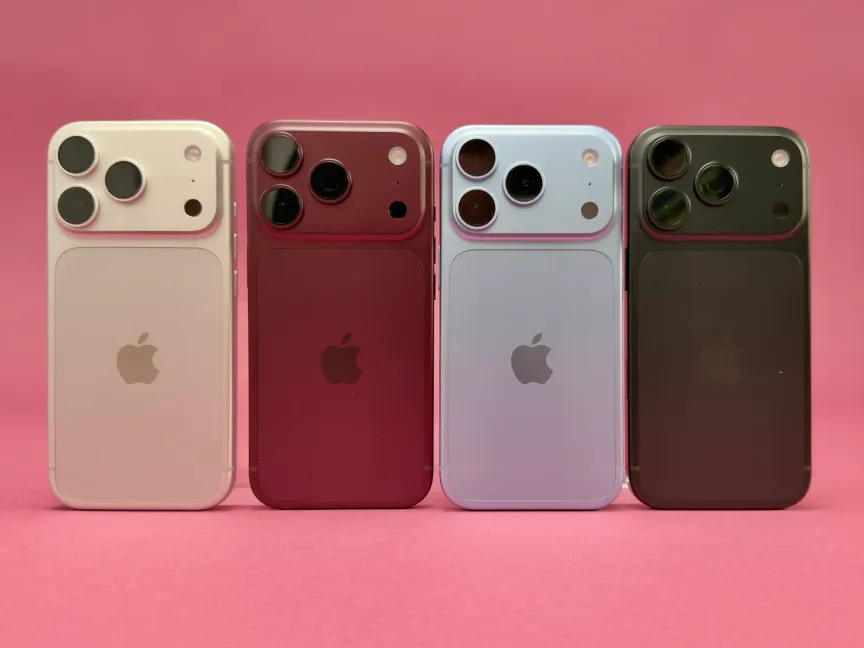
Every year, Apple fans start guessing what the next iPhone will look like months before it’s even announced. This year is no different. The iPhone 18 Pro Max is already the talk of the town, and even though the phone officially launched in September 2026, there’s still a lot to unpack about what actually sets it apart from the iPhone 17 Pro Max and earlier models.
If you’re thinking about upgrading, or you’re just curious about what Apple changed this time, here’s a breakdown of everything that makes the iPhone 18 Pro Max stand out.
A Faster, Cooler Chip: The A20 Pro
The biggest change under the hood is the new A20 Pro chip. This is the first Apple chip built on TSMC’s 2-nanometer (N2) process, a real jump from the 3-nanometer process used in last year’s A19 chip.
In plain English, smaller nanometers mean the chip’s internal parts are packed tighter together. That usually translates into three things people actually care about: more speed, less heat, and better battery life. Early reports suggest the A20 Pro could be around 15% faster than its predecessor while using roughly 30% less power. That’s a meaningful jump, especially if you’re someone who edits videos, plays graphics-heavy games, or just hates it when your phone gets warm during a long call.
This chip is also part of the same family as Apple’s newly unveiled M6 chip used in Macs, which hints that some serious performance engineering has trickled down into the phone lineup this year.
A Camera System That Finally Grows Up
Camera upgrades are always the headline feature for Pro models, and this year Apple appears to be delivering on a feature people have been asking about for years: a variable aperture lens on the main camera.
Here’s why that matters. A regular camera lens has a fixed opening that controls how much light hits the sensor. A variable aperture can physically open or close depending on the situation. In bright daylight, it narrows to keep photos sharp and balanced. In low light, it opens wider to let in more light. This should mean better night shots, more creative control over background blur, and photos that look more natural overall.
On top of the variable aperture, both the main and telephoto cameras are rumored to get wider apertures in general, which should further help with low-light shots and give photos a nicer, more professional depth-of-field look.
A Smarter, Smoother Display
The display is getting a quiet but meaningful upgrade too. The iPhone 18 Pro Max is expected to use a new LTPO+ panel, an improved version of the LTPO screens Apple has used for the past few years.
What does that mean for regular use? Basically, smoother scrolling, quicker animations, and a screen that can adjust its refresh rate even more efficiently. That efficiency is important because it also helps preserve battery life, so you get a smoother-looking screen without paying for it in battery drain.
The size itself isn’t expected to change. The iPhone 18 Pro Max should stick with its familiar 6.9-inch display, so anyone worried about the phone becoming even bigger can relax.
A Battery Built for All-Day (and Then Some) Use
Battery life has always been the biggest reason people choose the Pro Max model over the smaller Pro. This year, that gap looks even wider. Regulatory filings suggest the iPhone 18 Pro Max could pack a battery around 10% larger than the iPhone 17 Pro Max.
Combine that bigger battery with the A20 Pro’s improved power efficiency, and the Pro Max is shaping up to be Apple’s longest-lasting iPhone yet. For people who are away from a charger for long stretches of the day, that’s a genuinely useful upgrade, not just a spec sheet number.
Apple’s Own 5G Modem: The C2
For years, Apple has relied on Qualcomm for the modems that connect iPhones to cellular networks. That’s expected to shift further with the new C2 modem, Apple’s next attempt at an in-house 5G chip following the C1 that debuted in the iPhone 16 lineup.
The C2 is rumored to bring improved mmWave 5G support, faster carrier aggregation, and better power efficiency. In simple terms, that could mean faster downloads, steadier connections in crowded areas like stadiums or airports, and less battery drained just from staying connected to a network. It also means Apple continues moving toward building more of its own core technology instead of depending on outside suppliers.
A Slightly Thicker Body and New Colors
Design-wise, don’t expect a dramatic overhaul. The iPhone 18 Pro Max is expected to look a lot like its predecessor, with the same general shape and the familiar triple-camera layout on the back, though some leaks suggest the camera bump could be a touch thicker this time to fit the new camera hardware.
The phone itself might also end up marginally thicker overall. It’s a small trade-off, likely tied to fitting in the bigger battery and upgraded camera components.
Where things get more interesting is color. Apple is reportedly testing a deep red finish, along with rumors of purple, brown, light blue, dark cherry, dark gray, and silver options. Interestingly, some leaks suggest black might be skipped again this year, which would be the second year in a row without one of Apple’s most classic color choices for the Pro line.
A Bigger Shift Behind the Scenes
Perhaps the most interesting change isn’t about the phone itself, but about how Apple is releasing its phones. Instead of launching four new iPhones all at once in September like usual, Apple has reportedly split its 2026 lineup into two waves. The Pro models, along with Apple’s first foldable iPhone, arrived in September, while the standard iPhone 18, the iPhone 18e, and a second-generation iPhone Air are expected to follow in spring 2027.
This means if you’re someone who prefers the standard, non-Pro iPhone, you’ll have a longer wait this time around. But for Pro Max fans, nothing changes. It arrived right on schedule alongside its Pro sibling and Apple’s much-anticipated foldable phone.
Conclusion
The iPhone 18 Pro Max isn’t a complete reinvention, but it brings together a handful of upgrades that genuinely matter in daily use: a faster and cooler chip, a smarter camera with real creative flexibility, a longer-lasting battery, a smoother display, and Apple’s continued push toward its own modem technology.
None of these changes scream “revolutionary” on their own, but stacked together, they paint a picture of a phone that’s meaningfully better in the ways that count, even if it still looks familiar at first glance. For anyone due for an upgrade, this year’s Pro Max looks like one of the more well-rounded releases Apple has put out in a while.