

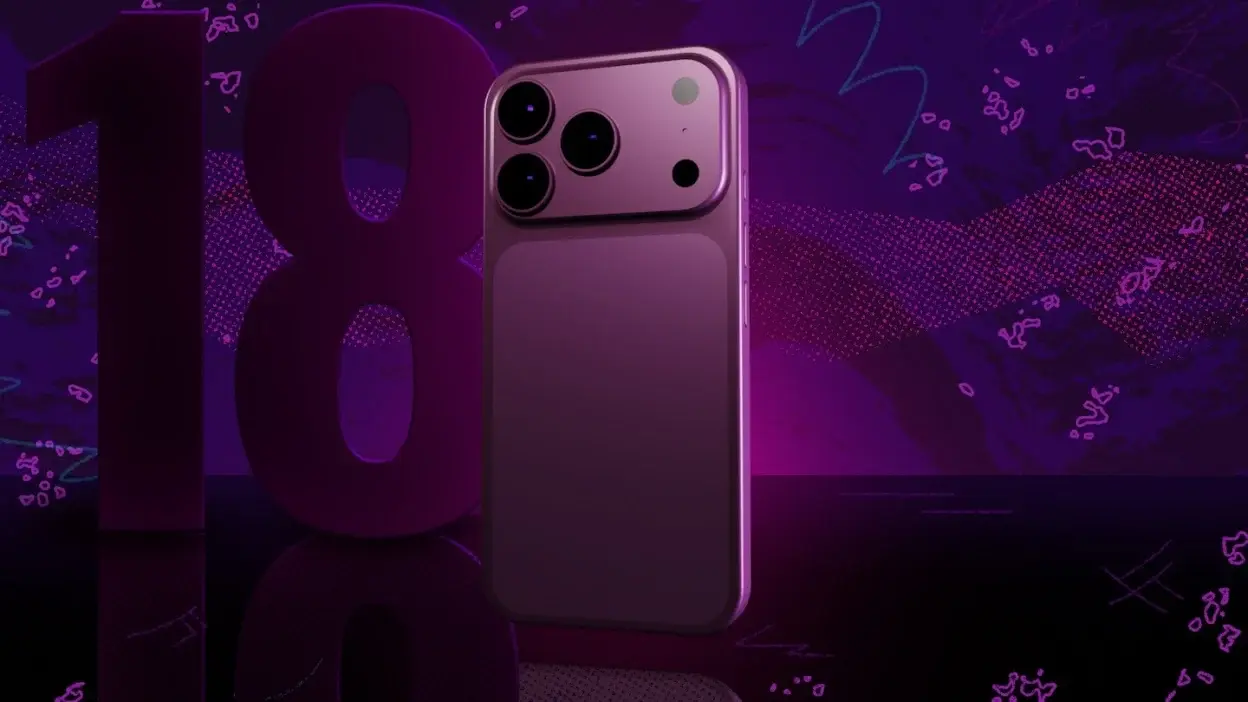
Every September, people ask the same question: is this year’s iPhone worth the attention? For 2026, the answer looks more interesting than usual. The iPhone 18 generation isn’t a small yearly refresh. It changes how Apple sells its phones, adds a brand-new type of iPhone, and puts more weight on smart software than on raw specs.
Here is what makes this lineup worth watching, and what you should keep an eye on before deciding.
A Different Kind of Launch
The first change is about timing. In the past, Apple released all its new iPhones together. This year it split them up. The iPhone 18 Pro and Pro Max went on sale on September 18, while the standard iPhone 18 and the cheaper iPhone 18e are expected in spring 2027.
So if you’re waiting for the regular iPhone 18, you’ll need some patience. The reasoning is easy to see. This approach lets the Pro models dominate headlines this fall, then creates a second wave of interest in spring. For Apple, that means two big moments a year instead of one. For you, this means that phones coming at different times are covered by the “iPhone 18” label, so before you shop, make sure you are referring to the correct model.
The Big Story: Apple’s First Foldable
The biggest headline isn’t an iPhone 18 at all. It’s foldable. Apple’s first foldable is called the iPhone Duo, and it was the star of the September event. It sits beside the 18 Pro family rather than replacing anything.
The design is thoughtful. Closed, it has a 5.4-inch outer screen that is comfortable to use with one hand and fits easily in a pocket. Opened, the 7.6-inch inner display is 50 percent larger than the one on the iPhone 18 Pro Max. That makes it the biggest screen ever on an iPhone. Open, it’s also the thinnest iPhone yet at about 5.2 mm, and its main screen has an under-display camera, which is new for iPhones.
Apple is late to foldables, and Samsung and Google have been selling them for years. But Apple has often arrived late and still shaped the market. If the Duo feels polished and the software is smooth, it could push the whole industry to take foldables more seriously.
A Camera That Behaves Like a Real Camera
Camera upgrades usually sound like marketing, but this one is practical. The 18 Pro and Pro Max have a reimagined camera with a DSLR-style aperture, which improves low-light performance and gives better depth of field.
In plain words, the phone can now adjust how much light enters the lens. That helps in a dim restaurant, at a wedding, or on a night street. It also gives you more natural background blur without leaning so heavily on software tricks.
The video gets some useful additions too. Cinematic mode effects can now be added after you record, and time-lapse video with stabilization is available up to 4K Dolby Vision. If you shoot a lot of video for social media or family memories, these are the kind of changes you’ll notice in daily use.
More Power, and More Importantly, Better Battery Life
Every new iPhone gets a faster chip, and this year it’s the A20 Pro. Speed matters less than it used to, since most phones are already fast enough for what we do. What people really want is a phone that lasts all day without getting hot.
Apple seems to know this. The 18 Pro series uses an updated thermal management system and is rated for up to 36 hours of video playback on eSIM-only models. Keep in mind that this is Apple’s lab test. Real life with social media, navigation, and gaming will be different, so wait for independent reviews before you treat that number as a promise.
The foldable is built around the same idea. It pairs the A20 Pro with a custom vapor chamber and a dual-battery design. Cooling and battery layout are a big challenge for any thin folding phone, so this is a detail worth checking in reviews.
A Smarter Siri
Software may turn out to be the most important part of this launch. For a couple of years, Apple has been criticized for moving slowly on AI compared with rivals. This year Apple announced a revamped Siri, powered by Apple Intelligence and using technology from Google’s Gemini models.
That partnership is notable. It suggests Apple cares more about giving users a good assistant than about building every piece itself. If the new Siri can handle everyday requests well, like finding a message, planning a trip, or summarizing a long email thread, it could improve the whole iPhone experience.
There is a real risk here, and it’s fair to say so. Apple’s AI promises have disappointed people before. The proof will come after launch, in how the assistant performs on ordinary days rather than in a demo.
Design and Colors
The Pro phones stay close to the look people know. The aluminium unibody comes in four colors: black, silvery white, light blue, and dark cherry. Dark cherry is the bold pick this year, and it should stand out from the usual grays and silvers.
Apple didn’t change the design much because it doesn’t need to. The real excitement is in the internal upgrades and the foldability, so the familiar look keeps the Pro models comfortable for people upgrading from older iPhones.
What About the Price?
This is where buyers need to think carefully. The foldable is expensive. The iPhone Duo starts at $1,999 for the 256GB model, with pre-orders opening October 16 and delivery from October 23. That’s a serious price, and it puts the Duo in “want” territory for most people rather than “need.”
The Pro models are the safer choice for people who want the best of the iPhone 18 generation without paying for a new form factor. And if you’re happy with a simpler phone, waiting for the standard iPhone 18 in spring may be the smart move. Rumors suggest Apple could keep the base models closer to current prices, though nothing is confirmed yet.
Who Should Pay Attention?
A quick guide:
- Photography and video fans: The 18 Pro and Pro Max are the clear picks, thanks to the new aperture camera and video tools.
- Multitaskers and early adopters: The iPhone Duo is the exciting new option if you have the budget and want a big screen that still fits in a pocket.
- Value-focused buyers: Wait for the standard iPhone 18 or the 18e in spring 2027.
- People upgrading from older phones: Almost any model in this generation will feel like a big jump.
What to Watch Before You Buy
A few things are worth checking once independent reviews come in:
- Real battery life compared with Apple’s own numbers.
- How the new Siri performs in daily use.
- How durable the Duo’s folding screen is over time, including how visible the crease is.
- Whether the camera upgrades help in everyday shots, not just in showcase photos.
Conclusion
The iPhone 18 generation is worth watching because it does several things at once. It changes Apple’s launch rhythm, opens the door to foldables, improves the camera in a practical way, and tries to fix Apple’s weakest area, AI. It won’t be the right phone for everyone, especially at the top price points, but it’s the most interesting iPhone story in years.
If you’re thinking about upgrading, take your time. Watch the reviews, compare the models, and decide based on how you actually use your phone. The best flagship is the one that fits your daily life, not just the one with the biggest headlines.