

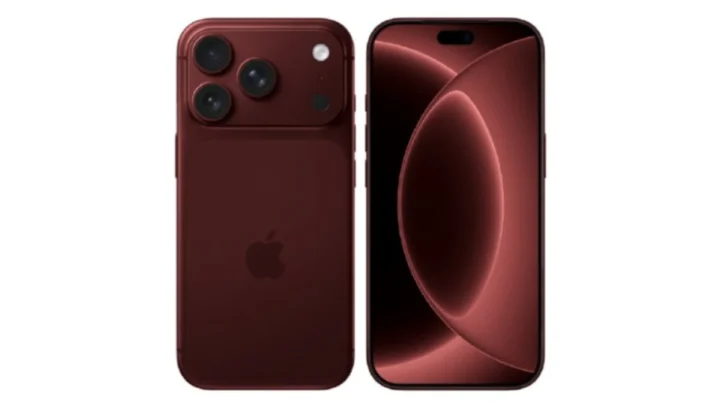
If you live in Kenya and love Apple products, you have probably asked yourself one question since the new iPhone launch: how much will I really pay for this phone here?
The answer is not as simple as the price you see on Apple’s website. Below I break down the real prices, explain why Kenyan prices are so much higher, and share tips to help you avoid overpaying.
The Quick Answer
For the 256GB model, expect to pay roughly KSh 262,000 to KSh 295,000 at Kenyan retailers, depending on the shop, the SIM setup and the warranty. Bigger storage sizes can push the price close to half a million shillings.
What Apple Says the Phone Costs
Apple announced its new iPhones on September 9, 2026, and the global release date was September 18. Apple’s own press release lists the iPhone 18 Pro Max from $1,299 for the 256GB model in the US. A straight currency conversion puts that at around KSh 167,800.
That figure is only a reference conversion, not a Kenyan shop price. If you walk into a store in Nairobi, you will not get the phone for KSh 167,800.
This year’s phones also cost more than last year’s. Apple raised the starting price by $100, which is around KES 12,950.
What Kenyan Retailers Are Charging
Several local shops have already listed the phone, and their prices differ quite a bit. Here is what I found:
- Phones Store Kenya lists it at KSh 262,000, and says it is available on the Lipa Mdogo Mdogo payment plan.
- Phone Place Kenya lists it at KES 255,000 on its product page. A tech news article reported the shop’s prices as KES 265,000 for the 256GB eSIM-only model and KES 280,000 for the 256GB SIM + eSIM model. Prices at local shops can change quickly, so check the shop directly.
- Price Point says its price starts at KES 295,000, though the phone is listed as coming soon.
So for the base model, the range is roughly KSh 255,000 to KSh 295,000. Most of the shops I found cluster between about KSh 262,000 and KSh 290,000.
Prices by Storage Size
The phone comes in four storage options. You can get it with 256GB, 512GB, 1TB or 2TB of internal storage. One report on Kenyan prices listed these starting points for the SIM + eSIM versions:
- 256GB: about KES 280,000
- 512GB: about KES 307,000
- 1TB: about KES 400,000
- 2TB: about KES 485,000
These figures came from Phone Place Kenya, as reported by Tech Blogs Africa. Another retailer, Mobile Hub, gives a similar overall range, saying prices start at KSh 265,000 and go up to KSh 485,000.
For most people, the 256GB or 512GB model is plenty. Unless you shoot lots of 4K video, the jump to 1TB or 2TB costs a huge amount for storage you may never fill.
Why Is It So Much More Expensive Here?
The gap between KSh 167,800 and about KSh 265,000 or more is large, so where does the extra money go? A few things add up:
- Import duties and taxes. Phones brought into Kenya are subject to import duty and VAT. These charges are added to the cost before the shop even puts the phone on a shelf.
- Shipping and clearing costs. Retailers pay to move stock by air, clear it at customs, and handle it safely. These costs are built into the final price.
- Retailer profit and risk. Shops import large quantities of stock with their own money. Since new phones are hot items, they add a margin to cover risk and running costs.
- Launch-week demand. Popular Pro and Pro Max models can sell out fast after launch, which leaves retailers with limited stock. When supply is tight and buyers are eager, prices go up.
- Warranty and SIM setup. The exact model you buy matters. In the report I mentioned, the eSIM-only 256GB version with a one-year warranty was priced at KES 270,000, against KES 290,000 for the SIM + eSIM version with a one-year warranty. The same phone can cost very different amounts depending on these details.
eSIM vs. Physical SIM: Why It Affects the Price
Some Kenyan listings are for “eSIM only” phones, which have no slot for a physical SIM card. Others are “SIM + eSIM” models.
The eSIM-only version is often a little cheaper, but it comes with a catch. You need a network provider that supports eSIM, and you need to be comfortable setting it up. If you often swap SIM cards, travel between countries or use several lines, the SIM + eSIM version is the safer choice, even if it costs more.
Watch Out for Misleading Prices
While researching, I saw prices online that made no sense. Some pages showed figures like KSh 9,500, which are clearly accessories such as cases or chargers and not the phone. One retailer’s page listed the phone at KSh 200,000, which is far below what almost every other shop is charging. A few older pages also show low estimates from before the launch.
Here is how to stay safe:
- Be suspicious of any price that is far below the rest of the market.
- Ask for the phone’s IMEI number and check it before you pay.
- Confirm whether the phone is brand new and sealed.
- Ask what warranty comes with it, and who honours it.
- Never pay money to a vendor you can’t trust.
Is It Worth the Money?
Paying more than KSh 260,000 for a phone is a big decision. Here is who I think should buy it and who should wait.
It makes sense if you:
- Are a creator, filmmaker or photographer who will use the camera every day. The phone has a 48MP Pro Fusion camera system with an adjustable aperture.
- Desire Apple’s largest screen and best battery life. It can play videos for up to 45 hours, according to Apple.
- Use your phone for business and need top performance. It runs on the new A20 Pro processor.
You may want to skip it if you:
- I already own an iPhone 17 Pro Max. Owners of that phone who do not need the improved camera, battery or sustained performance may not gain much from upgrading.
- Are trying to spend as little as possible on an iPhone.
A Cheaper Option: Last Year’s Model
If the price feels too high, the older model is still a good phone. The iPhone 17 Pro Max is still in stock at Phones Store Kenya, from about KSh 160,000, depending on storage. That is a saving of around KSh 100,000, and you still get a powerful, well-tested flagship.
Tips for Getting the Best Deal
- Compare at least three shops before you decide.
- Wait a few weeks. Prices often settle once stock becomes easier to find.
- Ask about payment plans. Some shops offer installments, such as Lipa Mdogo Mdogo, but check the total cost carefully, since installments can add up to more than the cash price.
- Pick the right storage. Avoid paying for space you will not use.
- Buy from trusted sellers with a physical shop, good reviews and a clear warranty.
Conclusion
The iPhone 18 Pro Max is a serious flagship, but in Kenya it comes with a serious price. The starting price of $1,299 in the US turns into roughly KSh 262,000 to KSh 295,000 for the 256GB model in local shops, and the top storage options can go well beyond that.
If you plan to buy, compare prices, check every detail of the listing and be careful about deals that look too good. And if you are not in a hurry, waiting a little or choosing last year’s model could save you a lot of money.