

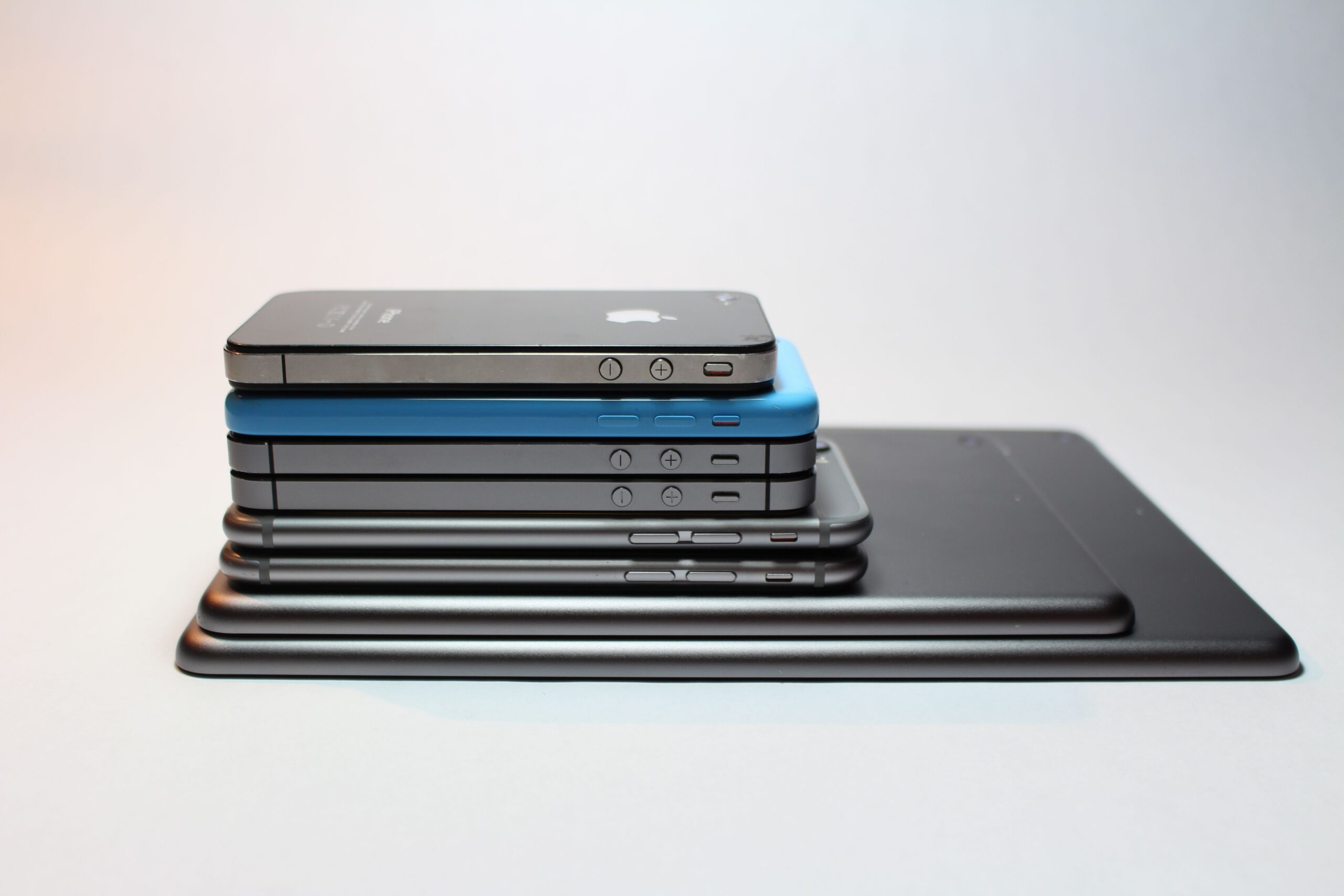
The iPhone has completely changed the way people communicate, work, learn, and entertain themselves. From the very first iPhone launched in 2007 to the latest models available today, Apple has introduced new features that have made smartphones faster, smarter, and more useful.
If you’re a tech enthusiast in Kenya or simply curious about how the iPhone has evolved over the years, this guide will take you through the complete history of the iPhone.
The Beginning of the iPhone
Before the iPhone was introduced, most mobile phones had physical keyboards and limited internet features. In January 2007, Apple CEO Steve Jobs revealed the first iPhone, calling it a revolutionary device.
It combined three products into one:
- A mobile phone
- An iPod music player
- An internet communication device
This was something people had never seen before.
The first iPhone featured:
- A 3.5-inch touchscreen
- 2 MP rear camera
- No App Store
- No front camera
- Up to 16GB storage
Although it seems simple today, it completely changed the smartphone industry.
iPhone 3G and the Arrival of the App Store
In 2008, Apple launched the iPhone 3G.
This was one of the biggest upgrades because it introduced:
- Faster 3G internet
- GPS navigation
- The App Store
The App Store allowed users to download games, social media apps, productivity tools, and much more. Today, millions of apps are available because of this important milestone.
iPhone 3GS: Faster and Better
Released in 2009, the iPhone 3GS focused on performance.
New improvements included:
- Faster processor
- Better camera
- Video recording
- Voice Control
The “S” stood for speed, making the phone much faster than its predecessor.
iPhone 4: A Completely New Design
The iPhone 4 arrived in 2010 with one of Apple’s biggest redesigns.
New features included:
- Glass front and back
- Stainless steel frame
- Retina Display
- Front-facing camera
- FaceTime video calls
- Improved 5 MP camera
Its sharp display made text and photos look much clearer than before.
iPhone 4S and Siri
In 2011, Apple introduced the iPhone 4S.
The biggest highlight was Siri, Apple’s voice assistant.
Users could ask Siri questions, set reminders, send messages, or make calls using only their voice.
Other upgrades included:
- 8 MP camera
- Faster processor
- Better battery life
iPhone 5: Bigger and Faster
In 2012, Apple increased the screen size from 3.5 inches to 4 inches.
The iPhone 5 also introduced:
- LTE support
- Lightning charging port
- Lighter aluminum body
- Faster A6 chip
This made browsing and streaming much faster.
iPhone 5S and Touch ID
Touch ID was first launched with the 2013 release of the iPhone 5S.
Instead of entering a password, users could unlock their phones using their fingerprint.
Other improvements included:
- 64-bit processor
- Better camera
- Slow-motion video recording
Touch ID quickly became one of the most popular iPhone features.
iPhone 6 and 6 Plus: Bigger Displays
In 2014, Apple launched the iPhone 6 and iPhone 6 Plus.
Many users wanted larger screens, and Apple responded with:
- 4.7-inch display
- 5.5-inch display
- Better battery life
- Apple Pay support
Large-screen smartphones became the new standard.
iPhone 6S: 3D Touch
The iPhone 6S arrived in 2015 with several upgrades.
It featured:
- 12 MP camera
- Live Photos
- 4K video recording
- 3D Touch
This allowed users to perform different actions depending on how firmly they pressed the screen.
iPhone 7: Goodbye Headphone Jack
In 2016, Apple removed the headphone jack from the iPhone 7.
Although controversial, this encouraged wireless audio through Bluetooth headphones.
Other improvements included:
- Water resistance
- Stereo speakers
- Better cameras
- Improved battery
iPhone X: A New Era
The iPhone X, released in 2017, celebrated the iPhone’s 10th anniversary.
It introduced many major changes:
- Edge-to-edge OLED display
- Face ID
- No Home button
- Gesture navigation
- Wireless charging
Face ID replaced Touch ID for many future iPhones.
iPhone 11 Series: Better Cameras
In 2019, Apple focused heavily on photography.
The iPhone 11 series introduced:
- Ultra-wide camera
- Night Mode
- Improved battery life
- Faster A13 chip
Users could now capture better photos even in low light.
iPhone 12 Series: 5G Arrives
The iPhone 12 lineup brought:
- 5G connectivity
- Ceramic Shield protection
- MagSafe accessories
- OLED displays on all models
For users in Kenya, 5G support became useful as mobile networks gradually expanded their 5G coverage.
iPhone 13 Series: Longer Battery Life
The iPhone 13 series focused on refining the user experience.
Major improvements included:
- Longer battery life
- Smaller notch
- Better cameras
- Cinematic Mode for videos
- Faster A15 chip
It became one of Apple’s most popular smartphone generations.
iPhone 14 Series: Safety Features
Apple introduced several safety improvements with the iPhone 14.
These included:
- Crash Detection
- Emergency SOS via satellite (available in supported regions)
- Improved cameras
- Better low-light photography
The iPhone 14 Pro models also introduced the Dynamic Island, replacing the traditional notch with a new interactive design.
iPhone 15 Series: USB-C Finally Arrives
The iPhone 15 lineup marked another major change.
Apple replaced the Lightning port with USB-C, making charging and data transfer more convenient.
Other highlights included:
- Dynamic Island on all models
- 48 MP main camera
- Better zoom
- Faster A16 and A17 Pro chips (depending on the model)
- Titanium frame on Pro models
The Latest iPhones
The newest iPhone models continue to improve in areas like:
- Camera quality
- AI-powered features
- Battery life
- Performance
- Security
- Display technology
Apple now focuses not only on speed but also on making the iPhone smarter and more efficient for everyday use.
Why iPhones Are Popular in Kenya
Many people in Kenya choose iPhones because they offer:
- Reliable performance
- Long software support
- Excellent cameras
- Strong security and privacy
- High resale value
- Smooth connection with other Apple devices
Whether you’re a student, professional, content creator, or business owner, an iPhone can handle daily tasks with ease.
Tips Before Buying an iPhone in Kenya
Before purchasing an iPhone, consider the following:
- Decide your budget.
- Choose a storage option that fits your needs.
- Check if the phone is new or refurbished.
- Buy from a trusted seller.
- Verify that the device is genuine and not iCloud locked.
- Ensure it supports the mobile network features you plan to use.
Doing a little research before buying can help you get the best value for your money.
Conclusion
The iPhone has come a long way since its launch in 2007. Every generation has introduced new features that have improved how people communicate, capture memories, and stay connected. From the original iPhone to today’s powerful models, Apple continues to shape the smartphone industry through innovation and user-friendly technology.
For tech enthusiasts in Kenya, understanding the evolution of the iPhone makes it easier to appreciate how far mobile technology has advanced and helps you choose the model that best fits your lifestyle and budget.